Blog / Vehicle Care

Blog

All Vehicle Care Holidays Shearer Volkswagen News Volkswagen News Vermont
IISTD Glow Plug Light

Cold Starting your TDI

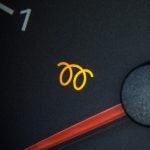
The coldest temperature ever recorded in Vermont was -50° F ( 8-O ). If you currently own or have ever owned a diesel vehicle, you would know the chances of it starting in that temperature is slim to none. However, people have been successful in starting their TDI's up to -35° F. How do they accomplish that? There are simple measures you can take to aid you in the process. What you want to keep in mind is the vehicle needs all the power it can get in order to start. This means all lights should be off (including your daytime running lights, which are always on unless the parking brake is applied), the heat should be turned off (until the vehicle starts, at least), any other accessories such as heated seats or the radio should also be switched off. The key should be in the ignition and switched to the 'on' position (one click forward, some refer this to 'accessory mode') in order to allow the glow plugs to warm up and successfully start the vehicle. Once you see the glow plug light illuminate on your dash, cycle the key off and then on again (just accessory mode!), wait 5 seconds after the glow plug light illuminates again, then attempt to start your vehicle. Once it starts, let the vehicle idle until a smooth idle is achieved then you're good to go. (Note: if you have a push-to-start button, the vehicle will not start until the glow plugs are the proper temperature. That's why there's a lag sometimes when attempting to start.) If your vehicle still won't start, you may have other issues going on. For instance, diesel fuel is known to gel up in cold temperatures. To prevent this from happening, there is an additive you can (and should) add to your tank every other fill up in the winter. Unfortunately, if your fuel does gel up, the vehicle should be towed to your nearest dealer for repairs. We hope these tips help those of you who may not have known about them. If you have any questions feel free to reach out and we'll do our best to help you to the best of our ability. The number for our service department is (802) 861-4111 *Note: We are not affiliated with any towing companies.

winterkomplettraeder-stage-en

Let's Talk Tires: "Snows" v.s. "All Seasons"

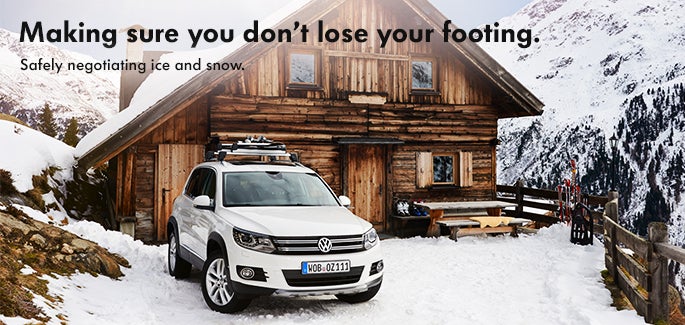
It goes without saying that we see a lot of snow here in northern Vermont. However, ask around and you'll get various opinions on the best equipment to handle it all. Regardless of opinion, there are some important facts that most people are unaware of, facts that could save lives! It's your responsibility to keep control of your vehicle, no matter the conditions of the roads. It is possible, even on the worst of days. Y ou just need to be prepared. Snow tires are made of a different compound than "all-season" tires. Snow tires are significantly softer than the latter, providing more traction in the colder temperatures. When "all-season" tires get cold, (or when any rubber gets cold for that matter) they harden. When your tire hardens, less surface area is able to touch the ground, therefore providing less traction. So, realistically, your snow tires are not just for snow. As soon as the temps start to dip below 50 degrees is an ideal time to swap your tires out for the season. Snow tires are specifically built with a softer compound so when they get cold/harden they can still provide you with the traction you need. Also, snow tires are designed with sipes that suction water away from your tires, reducing your chance of hydroplaning. They also feature a tread pattern specifically designed to push snow away as you're driving. At this time, the only true "all season" tire out there is the Nokian WRG3 - but with the expectation of mild snow fall, nothing like we get around here. Another thing to note - while a snow tire with 2/32" of tread may pass Vermont state inspection, snow tires under 5/32" do not perform well in the snow. It is recommended to replace the tire before it reaches 5/32". An easy way to measure the tread yourself is with coins: Place a pen ny into several tread grooves across the tire. If part of Lincoln's head is always covered by the tread, you have more than 2/32" of tread depth remaining. Place a quarter into several tread grooves across the tire. If part of Washington's head is always covered by the tread, you have more than 4/32" of tread depth remaining. Place a penny into several tread grooves across the tire. If the top of the Lincoln Memorial is always covered by the tread, you have more than 6/32" of tread depth remaining. Now - studs vs non-studded: studded snow tires decrease your stopping ability but increase your traction on icy roads. They're also significantly loader, if that's something of concern for you. Do you travel mostly in town or are you more rural? Typically we'd say if you live on more mountainous roads or roads that don't get plowed well studs may be a good idea, but if you live in a city or town or don't drive very much, studs may not be worth it. But what about tire chains? Tire chains are definitely less popular around here but can be beneficial. Actually, in Vermont, larger automobiles (over 26,000 lbs) are required to have tire chains, or they face a $1,000 fine. Tire chains are typically used on summer tires to provide additional traction in the snow that they otherwise would not be able to accomplish. So, they are a more inexpensive way to get around in the snow (v.s. purchasing snow tires), but they can be cumbersome as they have to be removed prior to travelling on clear/dry roads. Now I know some of you are thinking, "I've lived in Vermont my whole life and I've never purchased snow tires!" Well, you've been very lucky, but you may not always be that lucky. There is a significant braking disadvantage when using all-season tires in the snow. Now are you thinking, "Okay, so I'll just leave more space between me and the other drivers, easy fix"? You're not alone, we hear it all the time. The issue with that is what if someone cuts you off? What if, for some reason, your attention from the road wanders for just a moment, and the person in front of you suddenly stops? You never know what could happen. That's why you need to prepare for the worst. Your all-wheel drive gets you going, but your snow tires are what stop your vehicle. If you need snow tires and cannot afford them, Vermont has a program called "Wheels for Warmth" that sells used inspectable tires for very reasonable prices. There is no income requirement to participate. The most expensive tires, 18 inch and larger, are $25 each. The least expensive, 14 inch tires, are $10, 15 inch $15 and 16 inch $20. Thirteen inch tires and singles are free. The only caveat with the program is that it is a once-a-year sale on the last Saturday in October. For information regarding the program, you can visit their website at www.wheelsforwarmth.org One last thing to mention, if you already have snow tires or are planning on purchasing them in the future, we offer tire storage for $75 for one season ($150 per year). The benefit here is you will never have to touch a tire again - we do all the labor for you. It's a beautiful thing.


Coolant on Volkswagen

How To Check The Coolant On Your Volkswagen

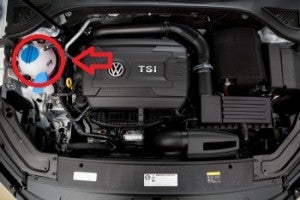
IMPORTANT: Do not open the caps on your Coolant or Antifreeze when the engine is warm or hot; if you do, hot coolant may be ejected. Make sure the engine is completely cool to avoid the possibility of being burned or cracking your engine block. Locate the Coolant Reservoir Check to see whether the liquid reaches the "Full" line on the side of the Coolant Reservoir If the liquid doesn't reach the "Full" line, open the Coolant bottle and fill it up until it reaches the "Full" line.

Volkswagen Spring Cleaning

Spring Cleaning!

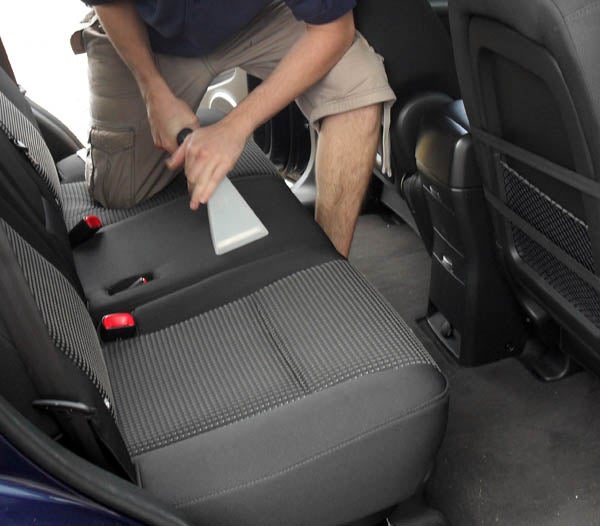
Spring cleaning for your Volkswagen in 5 Steps! Declutter the interior. Chances are good that some junk mail, old Christmas gift receipts, and other garbage has started to pile up inside your car. It happens. Now is the time to toss it. Vacuum the carpets and floor mats. All those days of snow (and the salt to combat it), rain, and muddy boots can build up on your carpet and floor mats. Vacuum it up, and if it is really bad, consider giving it a scrub with car-safe carpet cleaner. Wash your car. Whether you visit a car wash or do it yourself, giving the exterior a good scrubbing will remove dirt and grime that has built up over the brutal winter. Don’t forget to clean the inside of the windows, too, for they have also endured a lot this winter. Clean windows mean a clean line of vision. Replace the windshield wipers. That wintry precipitation can really take a toll on windshield wipers. They should be replaced about every six months anyway, and now is a good time to do so. Check the tires. The fluctuating temperatures and the rough road conditions of winter can wreak havoc on tires. Make sure they are properly inflated, and take your car in to have them rotated if need be

Tire Pressure

Having Tire Pressure Sensor Issues?

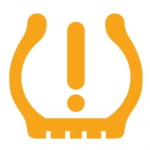
What causes this to happen? All 2008 and later vehicles are equipped with Tire Pressure Monitoring System (TPMS). When the TPMS warning symbol displays, it means that one or more of your tires are at least 25 percent lower than specified for your specific vehicle. Steps to resolve this issue/problem: Read the label along the edge of the open driver's side door Set your tire pressure according to the label (should be around 32psi) Reset your system by hitting the "Reset" on your information center or located in your glove compartment. If the sensor still stays on after following these steps, then it is possible that one of the sensors is bad and you need to bring it in to be serviced. Contact our service department today and we would be more than happy to walk you through this process and answer any questions you may have.

Snowy Volkswagen

Winter Is Coming... Be Prepared

Cold and snowy weather is just around the corner. Below are some helpful tips to getting your car ready for the Winter weather. Start preparing for the Winter conditions in October and November. You never know when winter will decide to hit Vermont. Make sure your tires are in good shape and you have the right kind of tires for the icy roads. Learn more about what tires are best for you. Beware that your tires loose air pressure when the weather cools down so you may need to refill them. Don't forget to check your spare tire too. Learn more about your tire pressure sensor for your car. Get your breaks checked out at the same time you are getting your tires aligned. Check your car's antifreeze and make sure it is suitable for the low temperatures. Make sure your windshield wiper fluid and blades are prepared for snowy and rainy conditions. We recommend also having the following items in your car during the winter season in case of any emergency: Emergency Kit Blanket Flares Battery Charger Something to charge your cell phone with Jumper cables Snow boots High-visibility vest or any piece of reflecting material Bottled Water Granola Bars/Food Safe traveling this winter and feel free to contact our Service Department for any questions you may have.

VW Snow Tires

Winter Tires Vs. All-Season Tires

Most vehicles today come with all-season tires which do provide good traction in a wide variety of weather conditions. However, they do not offer the best traction when the temperature has dropped and the roads are covered in snow and ice. TREAD COMPOUND Winter Tires have special tread compounds that use one or more of the following features to deliver improved traction. All-season Tires have very different compounds. WINTER TIRES: "Soft stud" tread fibers "bites" like metal studs yet are quiet and do not harm the road. Special compounds retain their flexibility even in the coldest temperatures. A more flexible tread surface equals more traction and control. Silica-based, micro pore compounds (or comparable technology) are used to bite through the water film and increase snow and ice traction. ALL-SEASON TIRES: Compounds are "averaged" to deliver better wear and good traction in a wide range of conditions, but the trade-off is a decrease in traction below 45 degrees Fahrenheit. This is the point where all-season tire compounds begin to harder and lose traction. These Tires must use denser compounds to deliver better wear. Micro pore or comparable technology is not suitable for these designs. For the same reason no soft stud material is built into these tires. TREAD DESIGN Winter tires have tread designs dedicated to improving snow and ice traction. Today's most advanced winter designs deliver this while maintaining a comfortable, quiet highway ride as well as excellent dry traction. WINTER TIRES: Wider circumferential grooves enhance winter traction by providing efficient channels to drain water and expel snow. Unlike the snow tires along time ago, smaller shoulder grooves increase snow and ice traction with no sacrifice in dry handling or highway ride. Special lug and groove shapes allow more snow to be packed into tread and expelled as the tire rotates for better deep snow traction. Sophisticated, high-density sipe designs (sipes are the little slits in the tread surface) help cut through water and slush so the tread compound can make better contact with the road. Rounder casing designs add traction by cutting into the snow's surface. ALL-SEASON TIRES: Shoulder blocks and groove designs are a "compromise" that must meet cornering, wear and all season traction requirements. Less aggressive tread design delivers more highway ride comfort, but tent to pack and not expel snow as effectively as winter tires. Less siping is used. Flatter tread design enhance dry traction but doesn't cut into snow effectively. Although all-season tires offer traction in a variety of different weather conditions, winter tires surpass them when it comes to traction in snow and ice. Source: Discounttire.com

Winter Tire Myths

5 Winter Tire Myths

The Volkswagen Tire Store outlines 5 myths about Winter Tires. Sometimes called snow tires, winter tires feature technology that other tires don’t. 1. Winter tires are only for snow. Anyone who lives where the weather gets a little cooler can benefit from winter tires. In colder temperatures, all-season tires stiffen, reducing grip. The rubber compounds and other components that make up winter tires keep them flexible in temperatures below 45°F (7°C). Tire flexibility allows for better vehicle handling and stopping. 2. Brakes alone stop my vehicle. Tires greatly affect your vehicle’s stopping distance. Especially when roads are slick, tires without specifically designed winter tread patterns can simply slide when the brakes are applied. Winter tires have deep grooves and small slits called sipes that cut through snow and ice, keeping more of your tire in contact with the road. 3. My all-season tires work fine in the winter. All-season tires are great for mild weather changes, but anyone who experiences cooler winters can get better performance with winter tires. In addition to having flexible compounds and specialized tread designs, winter tires help make your all-season tires last longer: while the winter ones are on, the all-season ones aren’t wearing down. 4. Winter tires are more expensive. The cost of winter tires is usually comparable to the cost of any other kinds of tires. Plus, switching between winter tires and all-season or summer tires makes both sets last longer than they normally would. 5. I don’t need winter tires with four-wheel drive. In the winter, four-wheel drive can help you get going but won’t help when you’re trying to stop. Four-wheel drive helps you control the tires, but that doesn’t mean much if the tires themselves aren’t flexible enough or don’t have the right tread design to push snow and ice out of their way. Tires are your only four points of contact with the road. The more they touch the road, the safer they are. Winter tires make all the difference in colder temperatures and in snowy, icy conditions. Check out Shearer Volkswagen's Winter Tire Packages.

Contact Us

Fill out this form below and we'll contact you shortly
*Required Fields
802-305-5049